

Global Governance, Global Justice
Global Climate Coverage Program 2026
Pine Forest Media’s 2026 climate coverage focuses on five interconnected areas where science, policy, and lived experience intersect most clearly — and where public understanding is most urgently needed.
Science Speaks @ AUP
Environmental knowledge is not static. It is produced through teaching, debate, interpretation, and time.
Science Speaks centers academic and interdisciplinary work as a public practice, creating space for scientists, scholars, artists, and communicators to share ongoing research rather than simplified conclusions
This agenda item focuses on:
- Research as process, not outcome
- Interdisciplinary ways of knowing
- Universities as civic spaces
- Science communication beyond headlines
Ocean Action
Oceans connect climate systems, biodiversity, food security, and global economies, yet ocean governance often feels distant from everyday life.
Coverage around the Our Ocean Conference examines how marine science informs international commitments — and how those commitments translate into action for coastal communities, researchers, and practitioners.
Key questions include:
- How ocean science enters policy
- Who benefits from ocean governance
- Where commitments meet reality
- How local action informs global frameworks

Desertification and the Science of Intervention
Land degradation and water scarcity affect livelihoods worldwide. This focus area explores the scientific and technical tools being developed to respond.
Reporting around the United Nations Convention to Combat Desertification focuses on intervention itself — how solutions are designed, tested, and experienced on the ground.
This agenda explores:
- Restoration and drought resilience
- The limits of technocratic solutions
- Local knowledge and implementation
- Who defines success, and why
Biodiversity Under Pressure
Biodiversity loss is one of the three pillars of the triple planetary crisis, yet it receives the least sustained attention.
Coverage around the Convention on Biological Diversity COP17 centers ecosystems and species often sidelined in climate discourse, examining how biodiversity is measured, valued, and governed.
This focus highlights:
- Species loss beyond climate metrics
- Conservation politics and trade-offs
- Links between biodiversity and resilience
- Why biodiversity remains politically invisible
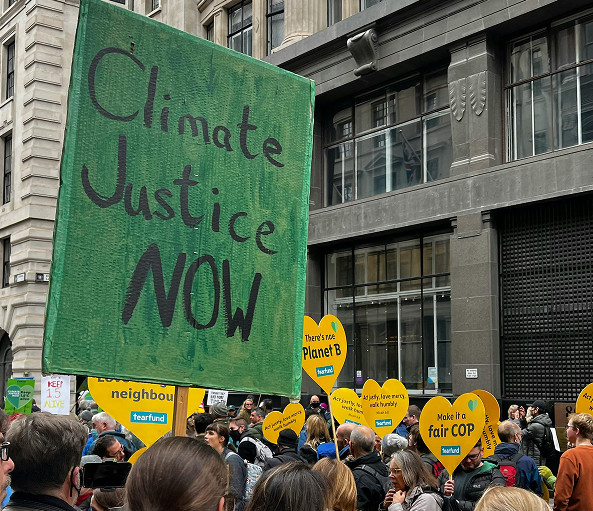
Global Governance, Global Justice
Climate decisions are negotiated globally but lived locally — often unevenly.
Coverage around international climate negotiations intentionally examines how lived experience, community knowledge, and scientific evidence make their way (or fail to) into global political spaces.
This agenda asks:
- Who gets to speak for the planet
- How authority and expertise are defined
- Whose voices are excluded
- How negotiation language shapes daily life
Other Projects